
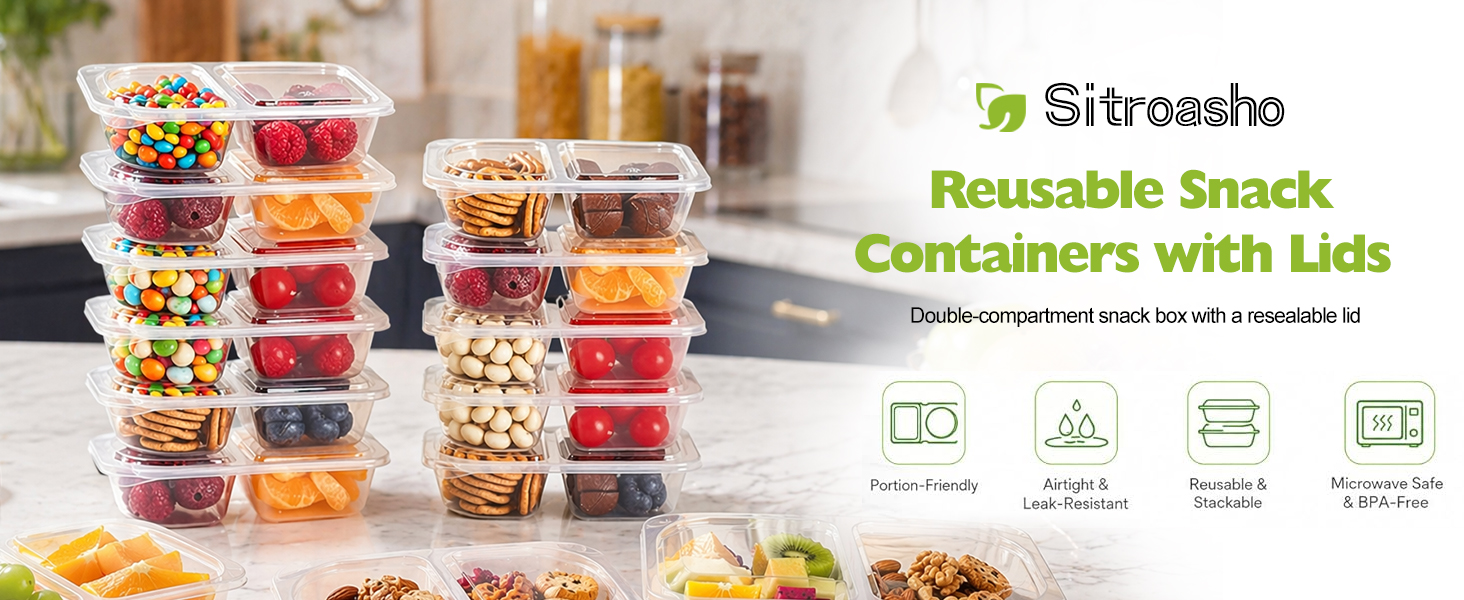
Smart Storage Solutions: Snack Containers, Snack Containers with Lids, and Food Storage Containers
A tidy kitchen is rarely about having more space; it is usually about using the space you already have with better tools. Whether you are packing lunch for work, preparing toddler snacks, or organizing a pantry that seems to shrink every month, the right containers can turn chaos into calm. If you are refreshing your kitchen setup, exploring a trusted selection of Snack containers can help you start with pieces that are practical, durable, and easy to live with. From small grab-and-go boxes to larger stackable sets, thoughtful storage makes food easier to find, easier to serve, and easier to enjoy.
Why Good Snack Containers Change Daily Routines
Snack containers are often treated as an afterthought, but they quietly shape your day. A clear, well-sized container helps you see what is available before you open it. That simple moment of visibility can reduce waste, prevent duplicate purchases, and encourage healthier choices. Instead of reaching for a wrinkled bag of chips or a half-open box of crackers, you can reach for a container that keeps portions controlled and crumbs contained.
Consistency matters more than perfection. When snacks have a designated home, children learn where to find them, partners stop asking where the nuts went, and weekday mornings become faster. The goal is not a showroom kitchen; it is a system that supports real life.
Portion Control Without Extra Effort
Small containers do more than store food. They create natural portion boundaries. Pre-fill them with grapes, carrot sticks, almonds, yogurt drops, or cheese cubes, and you have ready-made snacks that are easy to pack. This approach also helps reduce mindless eating because the serving is already visible and finite.
Snack Containers with Lids: The Details That Matter
Snack containers with lids are popular for good reason. The lid is not just a cover; it is the feature that determines whether a container travels well, stacks neatly, and keeps food fresh. A well-designed lid should seal securely without being difficult to open. It should also be simple enough to clean and sturdy enough to survive repeated use.
- Leak resistance: Important for juicy fruit, dips, applesauce, and yogurt.
- Easy-open tabs: Helpful for kids, older adults, and rushed mornings.
- Stackable shape: Saves cabinet and refrigerator space.
- Clear material: Lets you identify contents at a glance.
Freshness, Travel, and Stacking
When you choose snack containers with lids, look for a tight seal and a shape that fits your bag, lunchbox, or fridge shelf. A container that leaks once may be avoided forever, while a reliable one becomes part of your routine. Stackable designs are especially useful because they turn a jumbled shelf into a stable, organized zone.
Food Storage Containers for Every Kitchen Zone
Food storage containers are the backbone of an organized kitchen. They handle leftovers, meal prep, dry goods, baking ingredients, and freezer portions. The best collection is not necessarily the largest; it is the one with sizes and materials that match how you actually cook and eat.
- Pantry: Use airtight containers for flour, rice, cereal, pasta, and snacks.
- Refrigerator: Use clear rectangular containers for leftovers and prepped ingredients.
- Freezer: Use freezer-safe containers that leave a little headroom for expansion.
- Lunch bag: Use compact, leak-resistant containers that fit upright.
For busy households, a coordinated set of Food storage containers can simplify meal prep, reduce disposable bag use, and make leftovers look more appetizing. When containers match across sizes, lids become easier to pair, shelves stay neater, and packing becomes faster.
Pantry, Refrigerator, and Freezer
Different zones demand different priorities. In the pantry, airtight seals protect against moisture and pests. In the refrigerator, clear sides help you spot food before it spoils. In the freezer, durable material and secure lids prevent freezer burn. Labeling each container with a date can further reduce waste and make reheating decisions easier.
How to Choose the Right Size and Material
Before buying, measure your shelves, drawers, and lunch bags. A container that is beautiful but does not fit creates frustration. Consider how you will use it most: single servings, family leftovers, dry staples, or freezer batches. Material also matters. Plastic is lightweight and budget-friendly, while glass is heavier but resistant to stains and odors. Many kitchens benefit from a mix of both.
Smart rule: Choose containers that are easy to open, easy to clean, and easy to stack. If a container fails one of those tests, it will likely end up forgotten at the back of a cabinet.
Cleaning and Care Tips
Wash containers soon after use to prevent stains and odors. Check whether each piece is dishwasher-safe, microwave-safe, and freezer-safe. Avoid using abrasive scrubbers on clear plastic, and make sure lids are completely dry before storing them. For stubborn smells, a paste of baking soda and water can help refresh the container.
Simple Organization Ideas for a Tidy Kitchen
Organization does not require expensive renovations. Start by grouping similar items, then assign a home for each group. Keep daily snack containers at eye level and reserve higher shelves for occasional pieces. Store lids in a vertical rack or a dedicated bin so they do not scatter. If children use snacks independently, place a low, accessible basket with pre-approved options.
- Use clear containers so contents are visible.
- Keep a small bin for mismatched lids and check it monthly.
- Rotate older food forward before adding new items.
- Dedicate one shelf to lunch-packing supplies.
Small systems create big relief. A few intentional choices can transform a crowded cabinet into a workspace that supports healthy habits and smoother mornings.
Final Thoughts: Build a Storage System That Works
The best storage collection is the one you actually use. Start with a few versatile snack containers, add snack containers with lids for travel and freshness, and build a reliable set of food storage containers for leftovers and meal prep. Choose sizes that fit your shelves, materials that suit your cooking style, and lids that seal without a struggle. With the right containers, your kitchen becomes more efficient, your food stays fresher, and your daily routine feels noticeably lighter.