
Bird Feeders & Outdoor Accessories: A Complete Guide to a Bird-Friendly Backyard
There is something quietly magical about watching a chickadee land on a feeder while morning light spills across the yard. With the right setup, a plain patio, balcony, or garden can become a lively habitat. The best Bird Feeders & Outdoor Accessories do more than hold seed; they create a welcoming, safe, and beautiful space for birds and bird lovers alike.
Why a Thoughtful Setup Matters
Birds are creatures of habit, but they are also selective. They look for reliable food, clean water, protective cover, and a sense of safety. A random feeder hanging in an exposed spot may attract a few visitors, but a well-planned arrangement can turn a backyard into a daily destination.
- Consistency: Keep feeders filled, especially during migration and winter.
- Variety: Different species prefer different foods and feeder styles.
- Cleanliness: Dirty feeders can spread disease, so maintenance is essential.
- Safety: Place feeders where birds can watch for predators and escape quickly.
The goal is not to create a perfect showroom. It is to build a small, living landscape that supports birds through every season.
Choosing the Right Bird Feeder
Walk into any garden center and you will find an overwhelming assortment of bird feeders. The right choice depends on the birds you want to attract, the food you plan to offer, and how much maintenance you are willing to do.
Feeders by Style
- Hopper feeders: Great for beginners. They hold a large amount of seed and attract cardinals, finches, and jays.
- Tube feeders: Ideal for small birds like chickadees, titmice, and goldfinches. Look for metal ports to resist squirrel damage.
- Platform feeders: Open trays that welcome ground-feeding birds such as doves and juncos, though they need frequent cleaning.
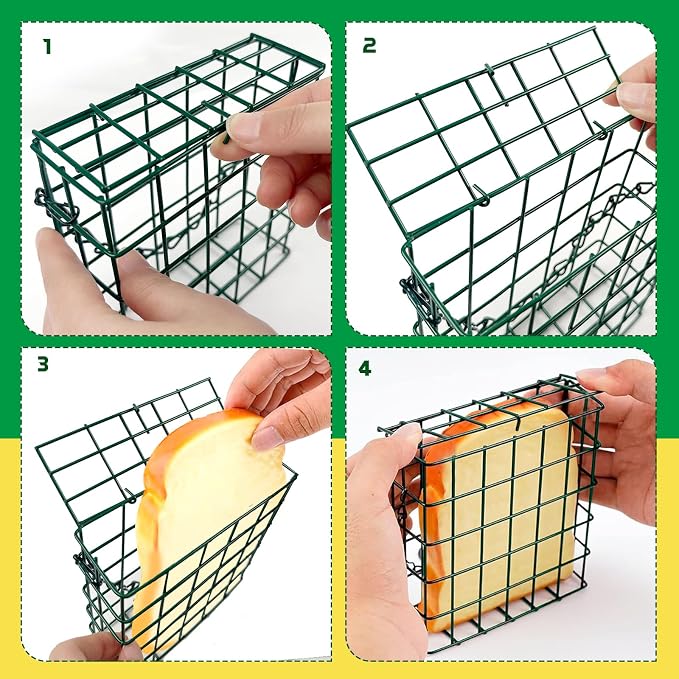
- Suet feeders: Perfect for woodpeckers, nuthatches, and wrens, especially in cold weather.
- Hummingbird feeders: A must for nectar-loving birds in summer; clean them every few days in hot weather.
Match the Feed to the Feeder
Black-oil sunflower seeds are a universal favorite. Nyjer seed works well in fine tube feeders for finches. Suet cakes fit cage feeders and provide high-energy fat. Nectar should be offered in specialized feeders, never colored with red dye. A simple sugar-water mix of one part sugar to four parts water is best.
Pro tip: If squirrels raid your feeders, add a baffle above or below the pole. A quality baffle often solves more problems than switching seed blends.
Outdoor Accessories That Make a Difference
Bird feeding is only one part of a bird-friendly yard. Supporting accessories can improve comfort, safety, and convenience for both birds and people.
Water Features
A bird bath or shallow fountain can be just as attractive as a feeder. Birds need clean water for drinking and bathing. Moving water, even a gentle drip, catches their attention and stays fresher longer. Place the bath near cover but not directly under a perch where droppings can soil the water.
Shelter and Safety
Birdhouses provide nesting sites for cavity-nesters such as bluebirds, wrens, and chickadees. Mounting poles, squirrel baffles, weather guards, and seed storage containers keep the setup organized and protected. A weather guard keeps seed dry, while a storage bin prevents moisture and pests from ruining expensive food.
Placement and Setup Tips
- Start with a quiet corner: Birds need time to adjust to new objects. Avoid high-traffic areas at first.
- Keep it visible: Place feeders where you can enjoy them from a window, but not so close that birds strike the glass.
- Add protection: Position feeders 10 to 12 feet from shrubs or trees so birds can escape predators but still reach cover.
- Think vertically: Use poles, hanging hooks, and wall mounts to create layers of feeding stations.
- Leave space: Do not crowd feeders together. Aggressive birds can dominate a tight cluster.
Cleaning and Seasonal Care
A beautiful setup still requires routine care. Clean feeders every two weeks, or more often in warm, wet weather. Use a mild bleach solution, rinse thoroughly, and allow everything to dry completely before refilling.
- Discard wet or moldy seed immediately.
- Scrub bird baths every few days and refill with fresh water.
- In winter, keep feeders full during storms and deep freezes.
- In spring, clean out birdhouses before nesting season begins.
- In fall, repair poles, baffles, and mounting hardware.
These small habits keep birds healthy and make your outdoor space more inviting year after year.
Designing a Wildlife-Friendly Landscape
Feeders and accessories work best when they are part of a larger habitat. Native plants provide natural food, shelter, and nesting materials. Layered plantings with trees, shrubs, perennials, and grasses offer birds places to hide, rest, and raise their young.
Consider leaving some seed heads standing through winter. They feed finches and sparrows while adding texture to the garden. A brush pile in a corner can shelter birds during harsh weather. Even a few potted native flowers on a balcony can make a difference for urban birds.
Final Thoughts
Whether you are setting up your first feeder or refining a mature backyard habitat, the goal is simple: make the space safe, useful, and enjoyable. With thoughtful placement, quality food, clean water, and reliable outdoor accessories, your yard can become a reliable haven for birds throughout the year. Start small, observe what visits, and adjust as the seasons change. The reward is a garden that is never truly quiet—and never less than alive.