
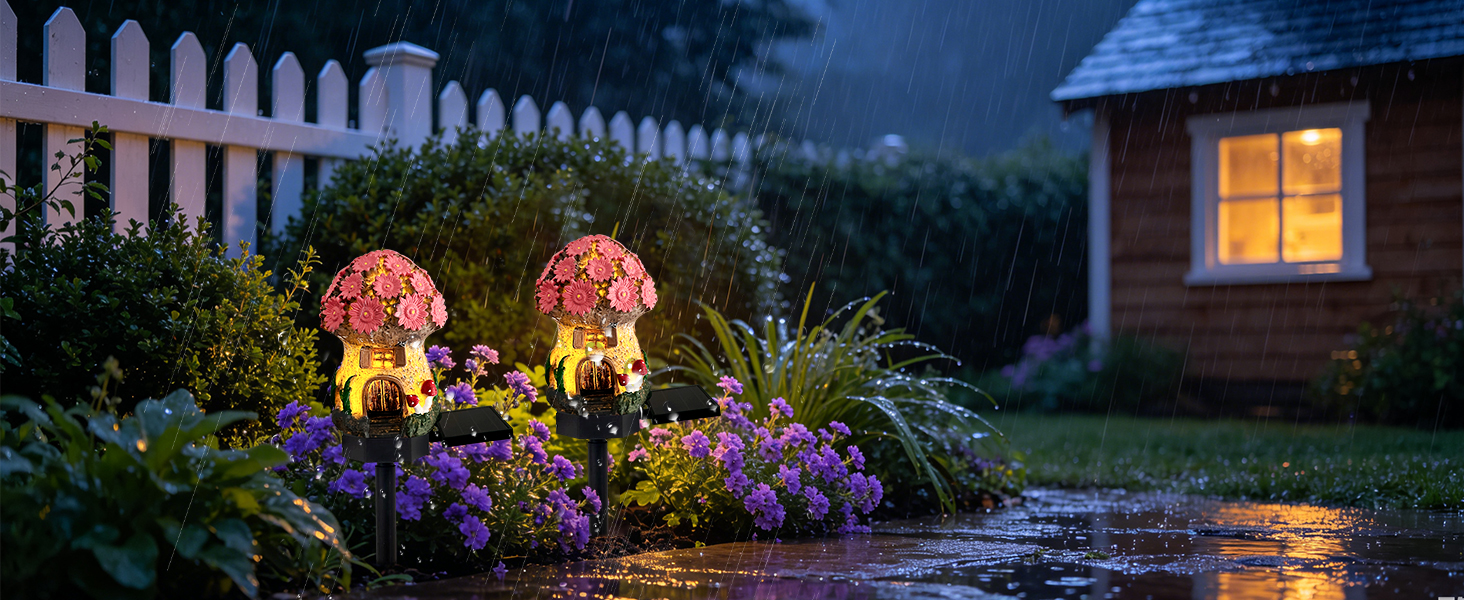
Illuminate Your Outdoors: The Complete Guide to Solar Pathway Lights
Solar pathway lights are more than just a pretty addition to your garden—they’re a smart, eco-friendly way to enhance safety, beauty, and ambiance without adding to your energy bill. Whether you’re lining a walkway, highlighting a flower bed, or creating a welcoming entrance, these little powerhouses harness the sun to light up your nights. In this guide, we’ll explore everything you need to know about solar pathway lights, from how they work to how to choose the perfect set for your home.
How Do Solar Pathway Lights Work?
At their core, solar pathway lights are simple yet ingenious. Each unit consists of a solar panel, a rechargeable battery, an LED light, and a photosensor. During the day, the solar panel absorbs sunlight and converts it into electricity, which is stored in the battery. When dusk falls, the photosensor detects the drop in light and automatically turns on the LED. At dawn, the light switches off and the cycle begins again. This self-sufficient system means no wiring, no outdoor outlets, and no ongoing electricity costs—just free, renewable energy from the sun.
Why Choose Solar Pathway Lights?
The benefits of solar pathway lights go beyond saving a few dollars on your power bill. Here are some compelling reasons to make the switch:
- Eco-Friendly: Powered entirely by the sun, they produce zero emissions and reduce your carbon footprint.
- Cost-Effective: After the initial purchase, they cost nothing to operate. No wiring, no electrician fees, no monthly bills.
- Easy Installation: Most models stake directly into the ground—no digging trenches or hiring a professional.
- Low Maintenance: With no moving parts and durable LEDs, they require minimal upkeep. Just occasional cleaning and battery replacement every few years.
- Versatile: Available in countless styles, from modern minimalist to vintage lantern, they complement any landscape design.
Types of Solar Pathway Lights
Not all solar pathway lights are created equal. Understanding the different types will help you choose the right ones for your space.
1. Stake Lights
The most common variety, stake lights feature a pointed base that pushes easily into soil or mulch. They’re ideal for lining paths, driveways, and garden beds. Look for adjustable heads to direct light where you need it.
2. Bollard Lights
These are taller, sturdier fixtures that stand like small posts. They provide more focused, downward lighting and are perfect for illuminating walkways with a bit more elegance. Bollard lights often come in metal or weather-resistant resin.
3. Deck and Step Lights
Designed to be mounted on vertical surfaces like deck railings or steps, these compact lights add safety and style to elevated areas. They’re great for preventing trips and falls after dark.
4. Decorative Lanterns
If you want to make a statement, decorative solar lanterns mimic classic gas lamps or vintage carriage lights. They’re less about precise path lighting and more about adding charm and character to your outdoor décor.
Key Features to Consider When Buying
Before you click “add to cart,” keep these factors in mind to ensure you get the best performance and longevity from your solar pathway lights.
- Brightness (Lumens): For pathway lighting, 10–50 lumens is usually sufficient. If you need to illuminate a larger area, look for 50–100 lumens.
- Battery Life and Type: NiMH batteries are common and reliable. Check the runtime—most lights run 6–10 hours on a full charge. Higher capacity batteries (e.g., 1000mAh+) last longer.
- Solar Panel Quality: Monocrystalline panels are more efficient than polycrystalline, especially in low-light conditions. A larger panel charges faster.
- Weather Resistance: Look for an IP65 or higher rating to ensure the lights withstand rain, snow, and dust.
- Material and Build: Stainless steel, aluminum, and high-quality plastic are your best bets for durability. Avoid cheap, flimsy plastics that crack in the sun.
- Light Color: Warm white (2700K–3000K) creates a cozy ambiance, while cool white (5000K–6000K) offers brighter, more modern illumination. Amber is great for reducing light pollution.
Installation Tips for Maximum Performance
Proper placement is crucial for solar lights. Follow these simple guidelines to get the most out of your purchase:
- Sunlight is King: Place lights where they receive at least 6–8 hours of direct sunlight daily. Avoid shady spots under trees or eaves.
- Spacing Matters: For even illumination, space lights 4–6 feet apart along a path. For a dramatic effect, group them closer together.
- Clear the Panel: Keep the solar panel free of dirt, leaves, and snow. A quick wipe with a damp cloth every few weeks makes a big difference.
- Stake Securely: Push stakes firmly into the ground, especially in loose soil. For sandy or rocky areas, consider anchoring with a small amount of gravel.
Maintenance and Troubleshooting
Solar pathway lights are famously low-maintenance, but a little care goes a long way. If your lights aren’t performing as expected, try these quick fixes:
- Not turning on? Check the on/off switch (some models have a pull-tab or button). Ensure the panel is clean and getting sun.
- Dim light? The battery may be nearing the end of its life. Replace it with a rechargeable battery of the same voltage and capacity.
- Flickering? Moisture may have entered the housing. Dry it out and check the seal. If the problem persists, replace the unit.
- Winter care: In freezing climates, bring lights indoors or store them in a dry place to prevent battery damage.
Final Thoughts
Solar pathway lights are a brilliant fusion of form and function. They beautify your outdoor spaces, improve safety, and do it all without costing you a dime in electricity. With a little planning and the right features in mind, you can create a magical, eco-friendly glow that welcomes guests and extends your enjoyment of the outdoors well into the evening. So go ahead—let the sun light your way.
Happy illuminating! Your garden will thank you.