
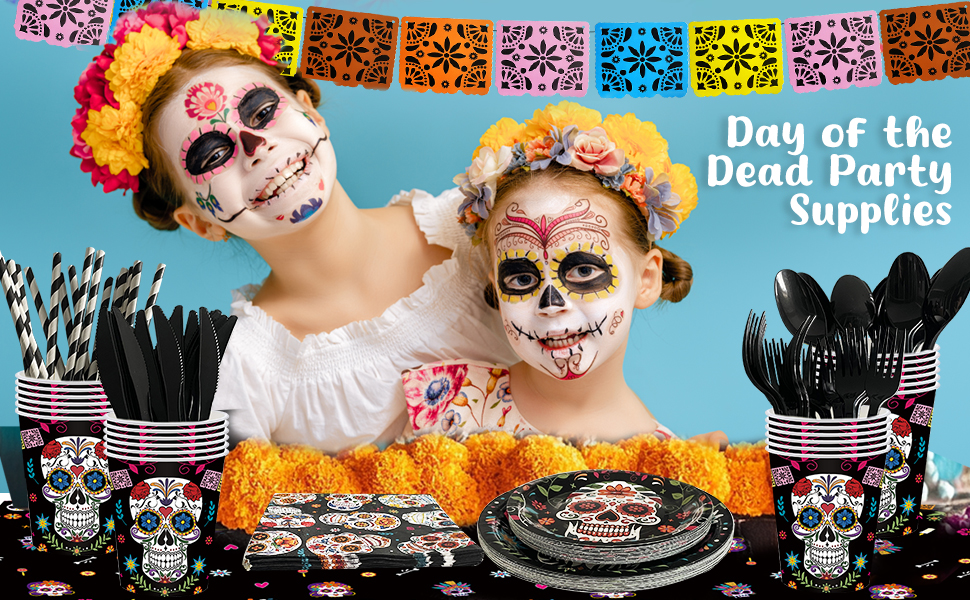
Disposable Tableware, Cups, and Plates: Convenience, Choices, and Conscious Consumption
Disposable tableware has become a familiar sight at picnics, parties, food trucks, and busy family gatherings. From paper plates stacked near a buffet to disposable cups lined up beside a cooler, these products promise one clear benefit: convenience. Yet as their use grows, so does the conversation around materials, waste, and smarter alternatives. Understanding the differences between disposable plates, cups, and tableware can help you make choices that match your event, budget, and values.
The Allure of Convenience
There is a reason disposable tableware remains popular. It eliminates dishwashing, reduces cleanup time, and lowers the risk of breakage at outdoor events. Lightweight and stackable, disposable plates and cups are easy to transport, store, and distribute. For caterers, schools, and community organizers, they offer predictable costs and simple logistics.
But convenience is not the only factor. The modern market now includes compostable, recyclable, and reusable-style disposable options. The key is to look beyond the label and consider how each product will actually be used and discarded.
Materials Matter: From Paper to Plant-Based
Disposable tableware is made from a wide range of materials. Paper plates are often coated for grease resistance. Plastic cups may be made from PET, PP, or polystyrene. Bagasse, cornstarch, and bamboo fiber are now common in plant-based disposable plates and bowls. Each material has trade-offs in strength, heat tolerance, and end-of-life processing.
Common options at a glance
- Paper plates: Lightweight, affordable, and often compostable when uncoated.
- Plastic cups: Durable and clear, but recycling depends on local facilities.
- Bagasse tableware: Made from sugarcane fiber; sturdy and suitable for hot and cold foods.
- PLA cups: Plant-based and compostable, but usually require industrial composting.
- Coated paper cups: Good for beverages, though the plastic lining can complicate recycling.
The most sustainable disposable item is the one you actually need—and dispose of correctly.
Disposable Cups: More Than Just a Vessel
Disposable cups are not interchangeable. A flimsy cold cup may crack under iced coffee, while a hot cup needs insulation and a secure lid. For events, consider double-wall paper cups for hot drinks and clear PET cups for cold beverages. If your venue has a composting program, plant-based cups can be a strong fit—but only if they are accepted locally.
Also think about accessories. Lids, straws, and sleeves add convenience, but they increase waste. Offering strawless lids or a sign that says “straws available upon request” can reduce unnecessary items without hurting the guest experience.
Disposable Plates: Strength, Shape, and Sustainability
Disposable plates range from thin paper picnic plates to heavy-duty molded fiber plates that can handle saucy pasta or grilled foods. Rigid plates reduce spills and double-plating, which can actually lower total material use. For formal-ish gatherings, look for neutral-colored bagasse or palm-leaf plates that photograph well and feel more intentional than standard plastic foam.
Shape matters, too. Compartment plates keep foods separate, while deep plates work better for saucy dishes. Stackability and leak resistance are worth checking before buying in bulk.
Environmental Realities and Responsible Choices
“Compostable” and “biodegradable” are not magic words. Many compostable cups and plates require industrial composting conditions that are not available in every community. Recyclable plastic cups may still end up in landfill if recycling streams are contaminated or unavailable.
Responsible use starts with a few practical questions:
- Will the item be collected separately? Check local rules before promising guests a “green” event.
- Can you reduce quantity? Fewer, sturdier items often beat many flimsy ones.
- Can you choose uncoated or mono-material products? These are often easier to process.
- Can you label waste stations clearly? Good signage improves sorting and reduces contamination.
Practical Tips for Events and Everyday Use
Disposable tableware does not have to mean careless tableware. A few small decisions can make a big difference:
- Match the product to the food. Use sturdy plates for heavy meals and simple paper plates for snacks.
- Offer a reusable option alongside disposables. A small set of real cups or metal utensils can serve staff or VIP guests.
- Buy in bulk but avoid overstock. Extra disposables often become long-term clutter.
- Choose neutral designs. Simple colors and clean shapes make disposable tableware look more polished.
- Set up clearly labeled bins. “Compost,” “Recycling,” and “Landfill” signs prevent guesswork.
For everyday use, keep a small emergency stack of disposable cups and plates for busy mornings, road trips, or unexpected guests. For larger events, plan quantities thoughtfully: guests often use fewer plates when serving stations are organized and plates are sturdy enough to reuse for a second helping.
Final Thoughts
Disposable tableware, cups, and plates are practical tools—not villains or miracles. Their value depends on material choice, quantity, and disposal. By selecting the right product for the meal, reducing unnecessary accessories, and making waste sorting easy, hosts can enjoy convenience without ignoring responsibility. The best disposable tableware is the option that fits the event, the venue, and the waste system—so choose with purpose, use with care, and dispose with attention.