
Fluid Extractors, Oil Extractor Pumps, and Fluid Transfer Pumps: A Practical Guide to Cleaner Liquid Handling
Whether you are changing the oil in a boat engine, draining a transmission, refilling a hydraulic system, or moving water from a flooded basement, the right pump can turn a messy chore into a controlled, efficient job. Fluid extractors, oil extractor pumps, and fluid transfer pumps all move liquids, but they are not interchangeable. Each tool is built for different volumes, viscosities, and working conditions. Understanding those differences helps you buy once, work safely, and avoid spills that waste time and harm the environment.
Why the Right Pump Changes Everything
Liquid handling is rarely just about suction. It is about speed, cleanliness, and access. A pump that is too weak will clog or stall. One that is too powerful may splash volatile fluids or damage delicate components. A tool that is difficult to clean can contaminate the next fluid you transfer. The best choice depends on what you are moving, how far it must travel, and whether you need a few quarts or hundreds of gallons.
Fluid Extractor: The Versatile Problem Solver
A fluid extractor is a vacuum-based tool that pulls liquid through a tube and into an internal reservoir. Most models are manual or pneumatic, though electric versions are common in professional shops. The extractor is ideal when you cannot reach a drain plug, when you want to avoid removing a panel, or when the fluid sits in a low, awkward cavity. Because the fluid goes directly into a sealed container, drips and spills are minimal.
Where a Fluid Extractor Shines
- Draining engine oil through the dipstick tube on cars, motorcycles, and marine engines.
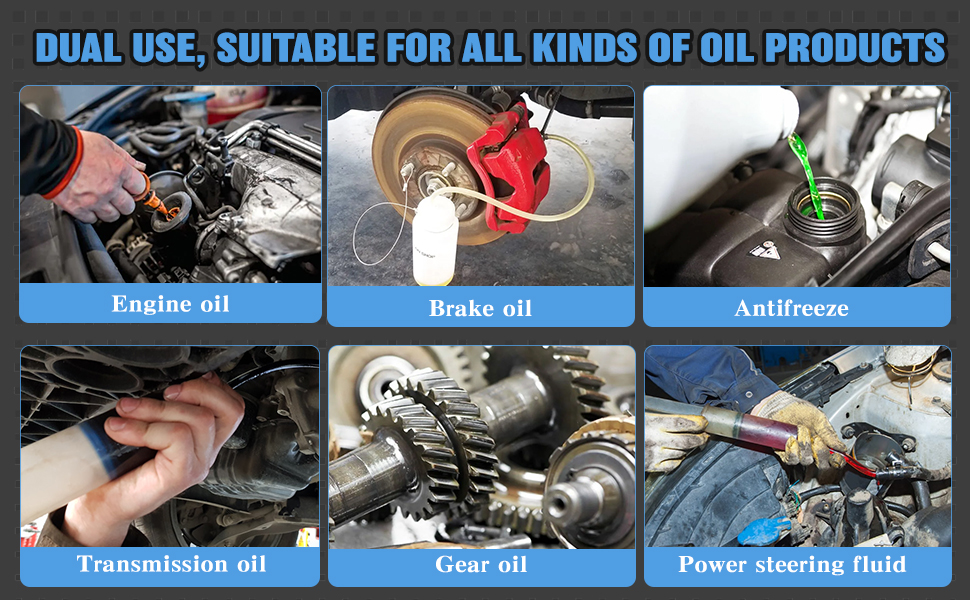
- Removing old brake fluid, power steering fluid, or coolant from tight reservoirs.
- Extracting water from fountains, aquariums, and small ponds.
- Cleaning out machine sumps, gearboxes, and hydraulic tanks.
Many fluid extractors come with multiple tube diameters, making it easier to fit dipstick tubes, reservoir necks, and narrow openings. The key advantage is access without dismantling. The key limitation is volume: most portable extractors hold between 2 and 10 liters, so they are not meant for continuous high-volume transfer.
Oil Extractor Pump: Designed for Mess-Free Oil Changes
An oil extractor pump is a specialized fluid extractor built for engine oil, gear oil, and other petroleum-based fluids. It usually includes heat-resistant tubing, a durable reservoir, and seals that tolerate oil without swelling or leaking. For boat owners, lawn equipment users, and mechanics working on vehicles with top-mounted oil filters, an oil extractor can make an oil change possible without crawling underneath the machine.
“The cleanest oil change is the one you never spill. An oil extractor pump keeps the old oil contained from sump to recycling center.”
Oil extractors work best when the oil is warm. Warm oil flows more freely, so the pump empties the sump faster and leaves less sludge behind. Always check the manufacturer’s temperature limit before extracting hot oil. Also confirm that your engine allows extraction through the dipstick tube; some engines have baffles or narrow passages that prevent a tube from reaching the lowest point of the pan.
Fluid Transfer Pump: Power and Portability for Larger Jobs
A fluid transfer pump is designed to move liquid from one container to another. It may be manual, battery-powered, corded electric, or air-operated. Unlike a simple extractor, a transfer pump is often used for repeated or larger-volume tasks: fueling equipment, emptying drums, moving water, transferring hydraulic oil, or dispensing DEF and other automotive fluids.
Manual vs. Powered Transfer Pumps
- Manual pumps are affordable, portable, and safe in areas without electricity. They are good for small jobs and emergency use.
- Electric pumps offer steady flow and less physical effort. They excel when you need to move many gallons quickly.
- Pneumatic pumps use compressed air and are common in shops where air lines are already available. They can run continuously and handle thicker fluids.
- Battery-powered pumps combine portability with push-button convenience, making them popular for field service and marine use.
Transfer pumps are not all compatible with every liquid. A pump rated for water may fail quickly with oil, and a pump rated for oil may be unsafe with gasoline or solvents. Always verify chemical compatibility, temperature range, and flow rate before use.
Key Differences at a Glance
| Tool | Best For | Typical Volume | Main Strength |
|---|---|---|---|
| Fluid extractor | Removing fluid from hard-to-reach reservoirs | 2–10 liters | Clean, access-friendly extraction |
| Oil extractor pump | Engine oil, gear oil, marine and small-engine service | 3–12 liters | Mess-free oil changes |
| Fluid transfer pump | Moving fluid between tanks, drums, and equipment | 5–100+ gallons | Speed and higher volume |
How to Choose the Best Tool
1. Consider the fluid. Oil, water, coolant, diesel, and solvents behave differently. Viscosity affects how fast a pump can move liquid, while corrosiveness affects seal and hose life.
2. Check the volume. A small extractor is convenient for maintenance, but a transfer pump is better for filling a 55-gallon drum or emptying a tank.
3. Match the power source. Manual pumps need no power but require effort. Electric and pneumatic pumps save time but need an outlet, battery, or air supply.
4. Prioritize compatibility. Look for chemical-resistant tubing, secure fittings, and a reservoir that is easy to pour from without glugging or splashing.
5. Plan for cleanup. Wide openings, removable hoses, and smooth interiors make cleaning faster and reduce cross-contamination.
Safety and Maintenance Tips
- Never use a pump with a fluid it was not designed for, especially gasoline or flammable solvents.
- Keep sparks, open flames, and hot surfaces away from fuel and oil vapors.
- Inspect hoses and seals before each use; replace cracked or swollen parts immediately.
- Store pumps clean and dry, with caps removed if the manufacturer recommends ventilation.
- Dispose of used oil, coolant, and other fluids at an approved recycling center.
Final Thoughts
Fluid extractors, oil extractor pumps, and fluid transfer pumps each solve a different part of the liquid-handling puzzle. A fluid extractor gives you access and cleanliness. An oil extractor pump makes routine oil changes faster and tidier. A fluid transfer pump delivers volume and speed when containers need to be filled, emptied, or moved. By matching the tool to the job, you protect your equipment, reduce spills, and finish the work with less frustration.