
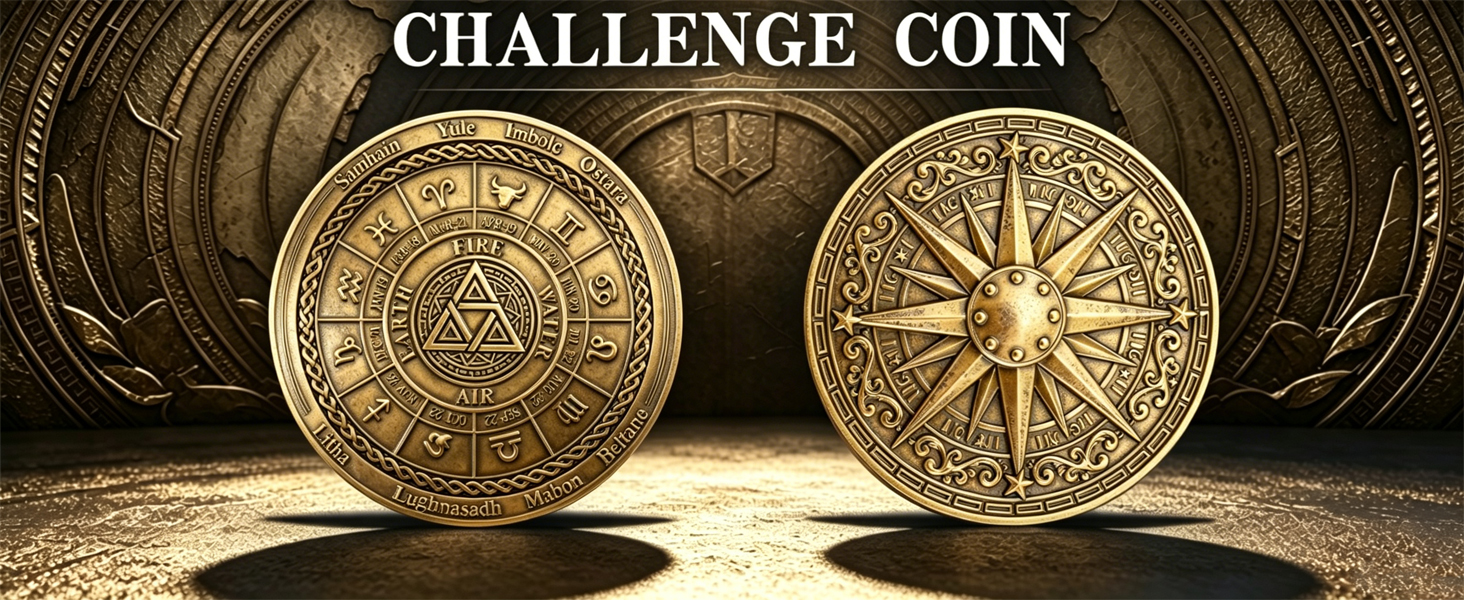
More Than Metal: The World of Collectible Coins, Challenge Coins, and Sobriety Coins
Coins are small, round, and easy to overlook. Yet they carry stories, memories, and identities in a way few objects can. A coin can be a piece of history, a token of brotherhood, or a quiet reminder that someone survived another day. Whether you are drawn to the hunt for rare dates, the camaraderie of a challenge coin, or the deep personal meaning of a sobriety coin, these tiny metal discs prove that value is not always printed on the surface.
Collectible Coins: The Thrill of the Hunt
Collectible coins, often called numismatics, turn ordinary currency into a lifelong pursuit. A single date, mint mark, or engraver’s initial can transform a common pocket piece into a treasure. Collectors search flea markets, inherit old jars, and bid at auctions for coins that tell the story of empires, wars, and everyday life.
What makes a collectible coin desirable? Four factors usually rise to the top:
- Rarity: Low mintage or accidental scarcity can make a coin instantly desirable.
- Condition: An uncirculated coin with sharp details may be worth far more than a worn one.
- History: Coins from short-lived governments or famous eras attract passionate buyers.
- Design: Beautiful portraits, animals, ships, and symbols can create emotional appeal.
Some collectors focus on a single country, while others chase complete sets, error coins, or ancient specimens. The joy is not only in ownership but in learning. Every coin is a tiny history lesson you can hold in your palm.
Challenge Coins: A Handshake in Metal
Challenge coins carry a different kind of power. They began as military traditions, where units would create custom coins to build morale and recognize service. Today, police departments, firehouses, sports teams, corporations, and clubs all use them. A challenge coin is less about face value and more about belonging.
The ritual matters. If someone “coin checks” a group, everyone must produce their coin. Those who cannot may buy a round or face good-natured teasing. The coin becomes a portable badge of honor.
“A challenge coin is not spent. It is earned, traded, and carried.”
Designs are often bold and symbolic: eagles, flags, mottoes, unit crests, and dates of service. Some are enameled in bright colors; others are antique bronze or silver. Collectors trade them at events, and each coin becomes a story about a person, a place, or a promise.
Sobriety Coins: Marking One Day at a Time
Sobriety coins—also called sobriety tokens, recovery chips, or AA coins—are among the most personal coins anyone can own. They mark milestones in a journey of recovery from addiction. A 24-hour coin may be the first tangible victory. A 30-day coin, a one-year coin, or a 10-year coin each represents courage, support, and daily commitment.
These coins often include:
- The Serenity Prayer
- Milestone numbers or Roman numerals
- Phrases like “To Thine Own Self Be True”
- Symbols of hope, light, or unity
For many people, a sobriety coin is not a collectible in the traditional sense. It is a lifeline you can carry in your pocket. Giving one to a friend or sponsor can say more than a speech. It says, “I see your struggle, and I honor your progress.”
Where the Three Worlds Meet
Collectible coins, challenge coins, and sobriety coins may seem like separate hobbies, but they share common ground. All three rely on design, symbolism, and memory. All three can be collected, displayed, gifted, and passed down. And all three prove that a small object can carry enormous meaning.
Many collectors start with one category and drift into another. A military veteran might collect challenge coins and then discover the history of wartime currency. A recovery group might commission custom sobriety coins with a local design. A numismatist might add a challenge coin from a favorite charity. The boundaries are softer than they appear.
What Makes a Coin Valuable?
Value is a slippery idea. For collectible coins, market value depends on rarity, grade, and demand. For challenge coins, value may come from the unit, the event, or the person who gave it. For sobriety coins, value is almost entirely personal. A scratched, worn coin from a first year of sobriety may be priceless to its owner—even if a dealer would pay nothing for it.
Caring for Your Collection
If you collect coins of any kind, handle them with care. Hold collectible coins by the edges, not the faces. Store them in acid-free holders, capsules, or albums. Avoid cleaning them with harsh chemicals or abrasive pads, because cleaning can strip away patina and reduce value. For challenge and sobriety coins, a soft cloth and a dry place are usually enough. The goal is preservation, not perfection.
Building a Meaningful Collection
Start with a theme that speaks to you: a country, a decade, a branch of service, a recovery milestone, or a design motif. Set a budget and enjoy the hunt. Join online forums, attend coin shows, and ask questions. Most collectors love to share knowledge. Display your favorites where you can see them, and rotate the rest. Write down the story behind each coin—where you got it, who gave it, and why it matters. That story is the real collection.
Final Thoughts
Whether you call them collectible coins, challenge coins, or sobriety coins, these objects do more than sit in a drawer. They connect us to history, to each other, and to our own resilience. They are small enough to carry and heavy enough to matter. So the next time you find a coin in your pocket, pause. It may be worth only a few cents—or it may be worth a lifetime.