
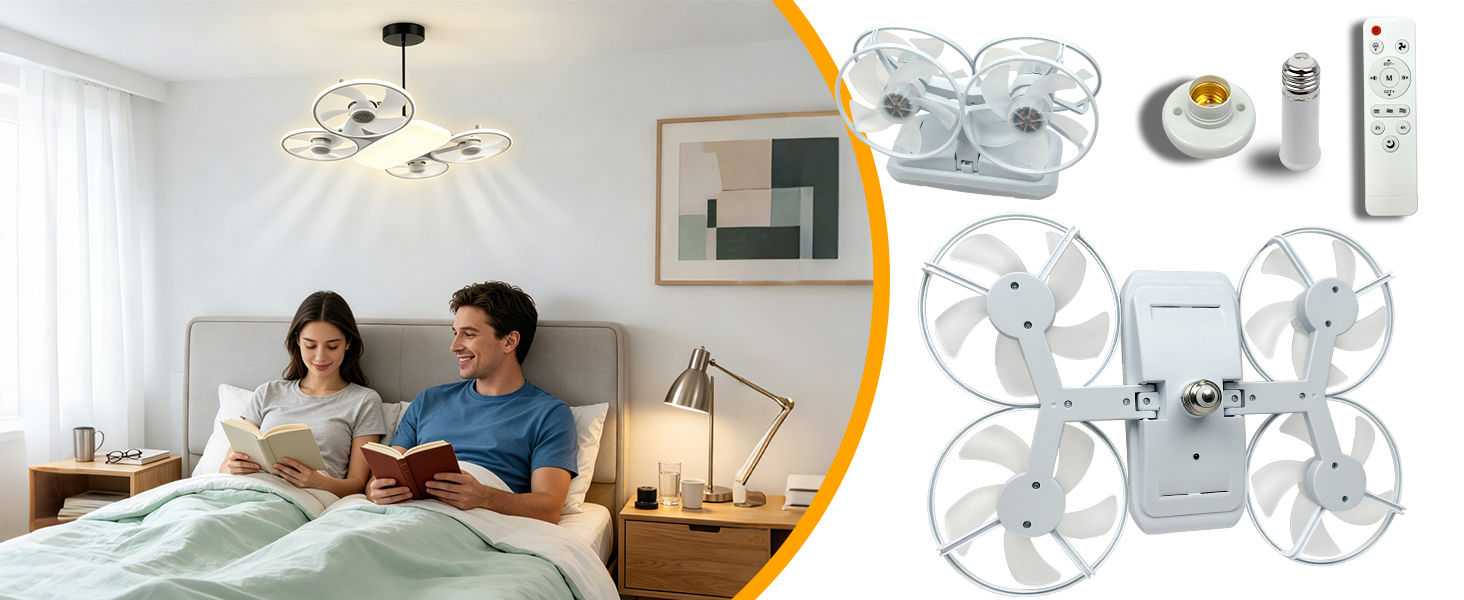
Upgrade Your Space: Ceiling Fan Lights, Drone Ceiling Fans, and Remote-Controlled Comfort
Modern ceiling fans have evolved far beyond the basic spinning blades of the past. Today, a ceiling fan light can transform a room with layered illumination, a drone ceiling fan can deliver whisper-quiet airflow using advanced motor technology, and a ceiling fan with remote can put complete control in the palm of your hand. Whether you are remodeling a bedroom, upgrading a living room, or outfitting a home office, the right fan can improve comfort, lower energy costs, and add a sleek focal point to your ceiling.
Why a Ceiling Fan Light Makes Sense
A ceiling fan light is a practical two-in-one solution. Instead of relying on separate lamps, overhead fixtures, and floor lamps, you get airflow and illumination from a single source. That means fewer cords, less clutter, and a more polished look. Integrated LED lights are especially popular because they use far less energy than traditional bulbs and often last for years without replacement.
The best ceiling fan light designs also offer adjustable color temperature. Warm white light creates a cozy atmosphere for bedrooms and living rooms, while cooler daylight tones help you stay focused in a home office or craft room. Many models include dimming features, so you can soften the light for movie night or brighten it for cleaning and tasks. When the fan and light work together, you can cool the room without sitting in harsh glare or shadowy corners.
- Energy efficiency: LED fan lights consume less power and produce less heat.
- Visual appeal: A integrated light fixture makes the fan look intentional and finished.
- Convenience: One switch or remote can control both air and light.
- Flexibility: Dimmable and tunable options suit almost any mood or activity.
Drone Ceiling Fan: The Future of Airflow
The term drone ceiling fan may sound like a fan that flies around the room, but in reality it refers to a new generation of ceiling fans inspired by drone engineering. These models borrow the same principles found in high-quality drones: brushless DC motors, aerodynamic blade shapes, intelligent speed control, and extremely quiet operation. The result is a fan that moves air efficiently without the wobble, hum, or energy waste of older designs.
A drone ceiling fan often uses a brushless motor that runs cooler and lasts longer than a standard AC motor. It can also respond more precisely to speed adjustments, which means you can choose a gentle breeze for sleeping or a stronger current for a hot afternoon. Some advanced models include sensors that monitor room temperature or humidity and adjust airflow automatically. Others feature reversible motors, allowing you to switch between summer downdraft mode and winter updraft mode to circulate warm air near the ceiling.
“The best drone ceiling fan feels less like an appliance and more like a quiet, intelligent machine—one that disappears into the background while making the room noticeably more comfortable.”
Beyond performance, drone-inspired ceiling fans often have a contemporary look. Their precision-built blades, compact motor housings, and streamlined silhouettes can complement modern, industrial, and minimalist interiors. If you want a fan that feels futuristic without being flashy, this category is worth exploring.
Ceiling Fan with Remote: Everyday Convenience
A ceiling fan with remote solves a simple but annoying problem: reaching for a pull chain. Instead of stretching overhead or installing extra wall switches, you can change fan speed, dim the light, reverse the airflow, or set a timer from across the room. For high ceilings, bedrooms, and anyone with limited mobility, a remote is not just a luxury—it is a genuine upgrade in usability.
Many remotes today do much more than turn the fan on and off. Common features include:
- Multiple speed settings: Choose from low, medium, high, or even six or more precise levels.
- Light dimming: Adjust brightness without replacing bulbs or adding a dimmer switch.
- Color temperature control: Shift from warm to cool white light with a button.
- Timer functions: Set the fan to run for one, two, four, or eight hours.
- Reverse mode: Change blade direction for seasonal comfort.
- Wall-mount dock: Keep the remote secure and easy to find.
Some ceiling fans with remote also support smart home integration. That means you can control them with a phone app, voice assistant, or automation schedule. For example, you could set the fan to turn on when the room reaches a certain temperature or dim the light at sunset. Even without smart features, a remote-controlled fan adds a level of convenience that makes daily life smoother.
Key Features to Compare
- Motor type: DC motors are quieter and more energy-efficient than AC motors.
- Blade material: Wood, metal, and ABS plastic each offer different styles and durability.
- Airflow rating: Measured in CFM, this tells you how much air the fan moves.
- Light output: Look for lumens, not just watts, to judge brightness.
- Remote range: Check that the signal reaches your seating area reliably.
- Warranty: A strong warranty often reflects better motor and finish quality.
Choosing the Right Fan for Each Room
In a bedroom, prioritize quiet operation and a dimmable ceiling fan light. A drone ceiling fan with a DC motor is an excellent choice because it can run at a low, barely audible speed while you sleep. In a living room, you may want a larger fan with a more decorative light fixture and a remote that controls both airflow and ambiance. For a home office, look for cool daylight settings and a fan that produces steady, consistent air movement without distracting noise.
Size matters, too. A fan that is too small will not move enough air, while an oversized fan can feel overpowering in a compact room. As a general rule, choose a 36- to 44-inch fan for small rooms, 44 to 52 inches for medium rooms, and 52 inches or more for large spaces. High ceilings may also require a downrod extension to position the fan at the optimal height.
Installation and Safety Tips
- Turn off power at the breaker before installing or servicing any ceiling fan.
- Use a fan-rated electrical box that can support the weight and motion of the fan.
- Follow the manufacturer’s instructions for blade assembly and downrod length.
- Balance the blades if you notice wobbling, and tighten all screws securely.
- Keep the remote receiver away from excessive heat and moisture.
- Clean blades and light covers regularly to maintain airflow and brightness.
Final Thoughts
Whether you are drawn to the practical glow of a ceiling fan light, the advanced performance of a drone ceiling fan, or the everyday ease of a ceiling fan with remote, today’s options offer more comfort and style than ever before. The ideal choice depends on your room size, ceiling height, lighting needs, and how much control you want at your fingertips. By comparing motor type, airflow, light quality, and remote features, you can find a fan that keeps your space cool, bright, and beautifully modern for years to come.