
Wudu Nail Rings and Wudu Nail Covers: A Complete Guide for Nail Rings for Wudu
For many Muslim women, balancing beautiful nails with the requirements of wudu can feel challenging. Conventional nail polish can create a barrier that prevents water from reaching the nail bed, which is why products like wudu nail rings, nail rings for wudu, and wudu nail covers have become popular topics. These small accessories promise a way to maintain manicures while still performing ablution. But what are they exactly, how do they work, and are they a reliable solution? This guide explores the practical, religious, and everyday considerations behind wudu-friendly nail accessories.
What Are Wudu Nail Rings?
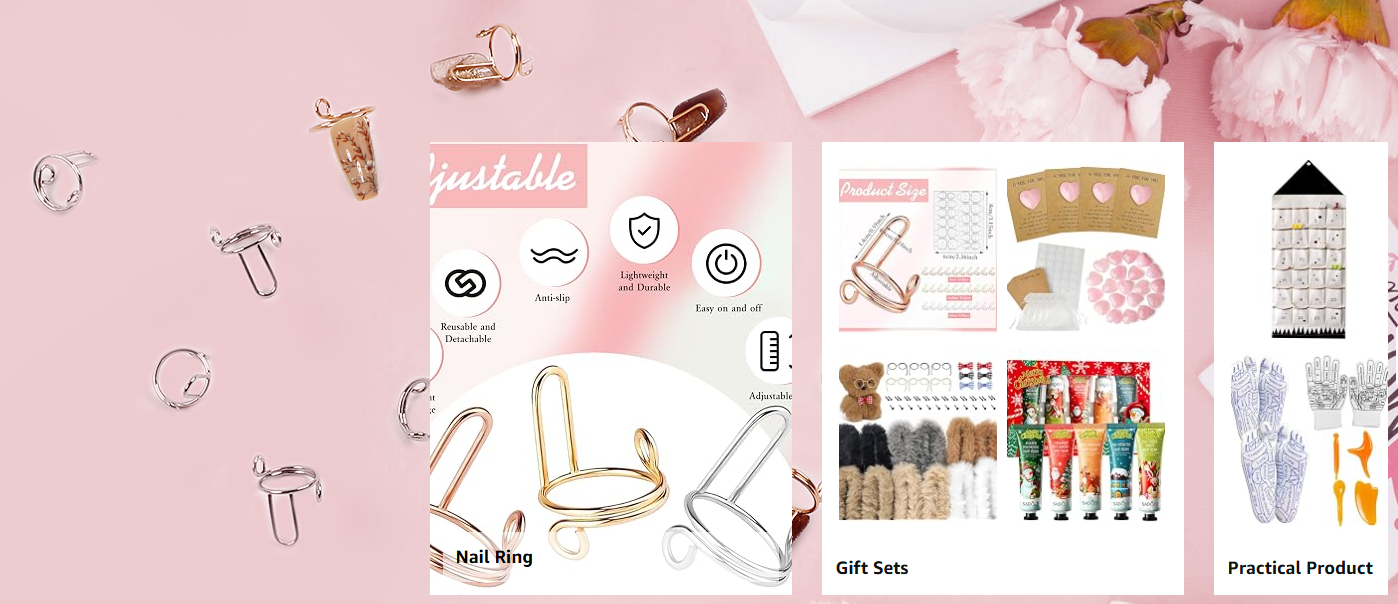
Wudu nail rings are small, reusable covers or rings designed to fit over the fingernails. They are usually made from soft silicone, plastic, or flexible rubber. Some versions are open-ended, while others have tiny perforations or breathable sections. The idea is simple: instead of removing nail polish before every wudu, a woman can place these covers over her nails, perform wudu, and then remove them afterward.
However, not all wudu nail rings are the same. Some are marketed as decorative protectors for manicures, while others claim to allow water to reach the nail. The key question is whether water actually reaches the nail and surrounding skin. If a cover blocks water completely, then it may defeat the purpose of wudu.
Why They Exist
Many women love wearing polish, gel, or nail art. Yet Islamic jurisprudence generally requires that water reach the nails during wudu. If polish prevents that, wudu may be invalid. Wudu nail covers were created as an alternative for women who want to pray without constantly removing and reapplying polish. They are especially appealing for busy professionals, students, brides, and anyone who wants a low-maintenance routine.
Nail Rings for Wudu: How They Are Used
Using nail rings for wudu is usually straightforward, but the details matter. Most products come with instructions that involve sliding the ring over each nail before wudu. After wudu, the rings are removed, cleaned, and stored for later use.
- Step 1: Ensure nails are clean and dry.
- Step 2: Place a wudu nail cover over each nail.
- Step 3: Perform wudu as usual, making sure water reaches the skin around the nails.
- Step 4: Remove the covers gently and allow them to air-dry.
- Step 5: Store them in a small case to keep them hygienic.
Some women wear them only during wudu. Others use them throughout the day to protect a fresh manicure from chipping. The latter use is more about convenience than religious compliance, so it is important to understand the difference.
Wudu Nail Covers vs. Breathable Nail Polish
Another popular option is breathable or water-permeable nail polish, often called halal nail polish. Unlike traditional polish, these formulas allow a certain amount of water to pass through. Wudu nail covers and breathable polish are not the same thing. Breathable polish stays on the nail during wudu, while covers are removed after wudu.
“The safest approach is to ensure that water reaches the nail and the skin around it. If a product prevents that, it should be removed before wudu.”
Some women prefer breathable polish because it feels more natural and requires no extra accessories. Others prefer wudu nail rings because they can wear any polish they like underneath. The best choice depends on personal comfort, lifestyle, and the advice of a trusted scholar.
Are Wudu Nail Rings Permissible?
This is a sensitive question, and scholars may hold different opinions. The general principle in wudu is that water must reach the obligatory parts of the body, including the nails. If a covering prevents water from reaching the nail, it may invalidate wudu. Therefore, wudu nail rings should not be treated as a magical loophole. They are only potentially helpful if they are designed and used in a way that allows water to reach the nail and surrounding skin.
Many scholars advise that if a woman is unsure, she should remove polish before wudu or use a product that has been confirmed as water-permeable. When in doubt, consulting a qualified scholar or local imam is always the best step. Religious practice should be based on knowledge, not just convenience.
Choosing the Right Wudu Nail Covers
Not all wudu nail covers are created equal. When shopping, look for these features:
- Water-friendly design: Openings, mesh, or breathable materials may help water pass through.
- Secure fit: They should stay in place during wudu without being too tight.
- Skin-safe material: Soft silicone or medical-grade plastic is gentler on sensitive skin.
- Reusable and washable: Hygiene is essential, so choose covers that are easy to clean.
- Clear instructions: A reputable brand should explain exactly how to use them.
It also helps to read reviews from other Muslim women. Their real-life experiences can reveal whether a product actually works or causes discomfort. Avoid extremely cheap sets that may tear easily or trap moisture against the nail.
Practical Tips for Wudu with Nail Rings
If you decide to try nail rings for wudu, keep these practical tips in mind:
- Test at home first. Practice wudu with the covers before relying on them for prayer.
- Keep them clean. Wash them with mild soap and water after each use.
- Check for water reach. After wudu, remove the covers and see whether water has reached the nail area.
- Do not wear them too long. Prolonged wear can trap moisture and weaken nails.
- Have a backup plan. Keep nail polish remover or breathable polish on hand for days when you are unsure.
Common Mistakes to Avoid
One common mistake is assuming that any cover labeled “wudu nail ring” automatically makes wudu valid. Another is wearing the covers too tightly, which can cause discomfort and prevent water from reaching the skin around the nail. Some women also forget to clean the covers regularly, which can lead to hygiene issues.
Finally, do not let fashion pressure override religious obligations. If a product does not allow water to reach the nail, it is better to remove polish and perform wudu properly. Faith and beauty can coexist, but not at the expense of valid worship.
Final Thoughts
Wudu nail rings, nail rings for wudu, and wudu nail covers are interesting accessories that offer convenience for Muslim women who love nail polish. They can be useful tools, but they are not a one-size-fits-all solution. Their permissibility depends on whether water truly reaches the nail and skin during wudu. Always prioritize proper ablution, consult knowledgeable scholars, and choose products carefully. With the right approach, you can maintain your style while respecting your faith.